
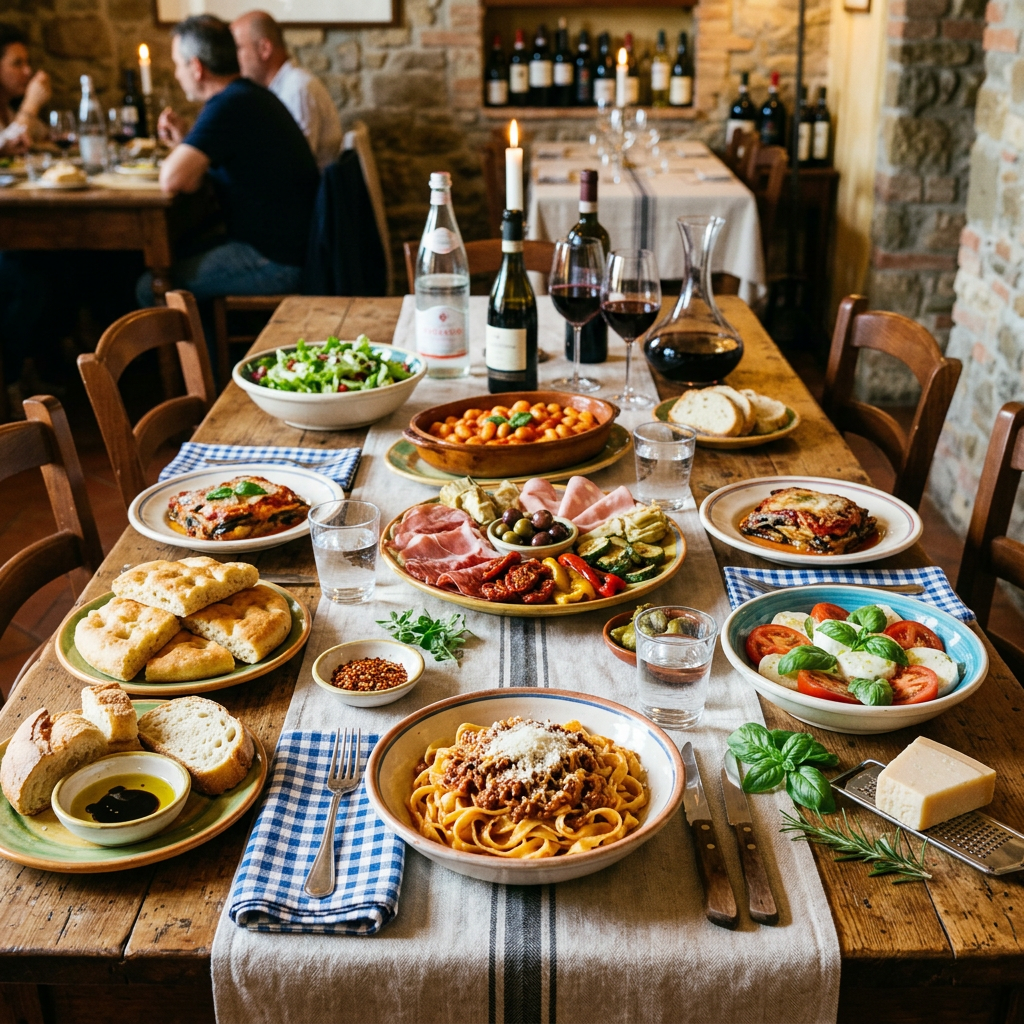
Rome is a paradise for food lovers, where every meal tells a story rooted in centuries of tradition. From simple pasta dishes to rich street food, the Eternal City offers a culinary experience unlike anywhere else in the world.
In this complete Rome food guide, you’ll discover the most iconic dishes, what to eat in Rome, and where to find the most authentic flavors.
Table of Contents
- What Makes Traditional Food in Rome Unique?
- Must-Try Traditional Food in Rome
- Best Desserts in Traditional Roman Cuisine
- Where to Eat Traditional Food in Rome
- Tips for Eating Like a Local in Rome
- Final Thoughts on Traditional Food in Rome
What Makes Traditional Food in Rome Unique?
The beauty of traditional food in Rome lies in its simplicity. Roman cuisine is built on a few high-quality ingredients, prepared in ways that maximize flavor without overcomplication.
Unlike other Italian regions, Roman food focuses heavily on:
- Pasta
- Pecorino Romano cheese
- Guanciale (cured pork cheek)
- Fresh, seasonal ingredients
If you’re wondering what to eat in Rome, the answer starts with understanding these core elements.
Must-Try Traditional Food in Rome
Classic Roman Pasta Dishes
No list of authentic Roman dishesis complete without pasta. Roman cuisine is famous for its simplicity, and few dishes capture this spirit better than its classic pasta recipes. Carbonara, Cacio e Pepe, and Amatriciana all rely on just a handful of ingredients, yet each creates a rich and distinctive flavor. These dishes are deeply rooted in Roman culinary tradition and demonstrate how simple ingredients can become extraordinary when prepared with care.
Carbonara
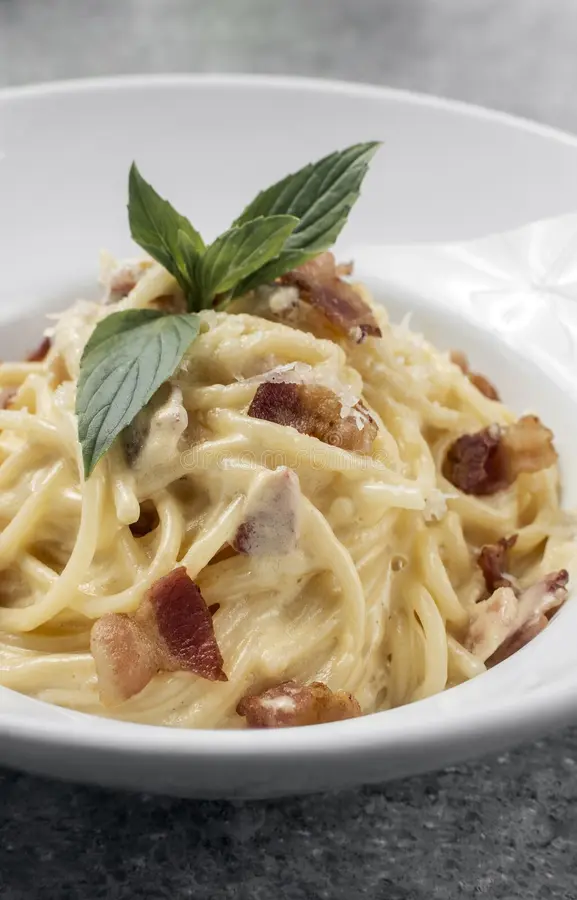
Carbonara is perhaps the most internationally recognized dish. Traditionally made with pasta, guanciale, Pecorino Romano, eggs, and freshly ground black pepper, Carbonara is creamy without containing any cream.
The silky sauce is created by combining the eggs and cheese with the heat of the pasta, while the crispy guanciale adds a salty, savory richness. The result is a comforting dish with a perfect balance of richness and peppery flavor.
This is one of the most famous examples of traditional food in Rome.
Cacio e Pepe
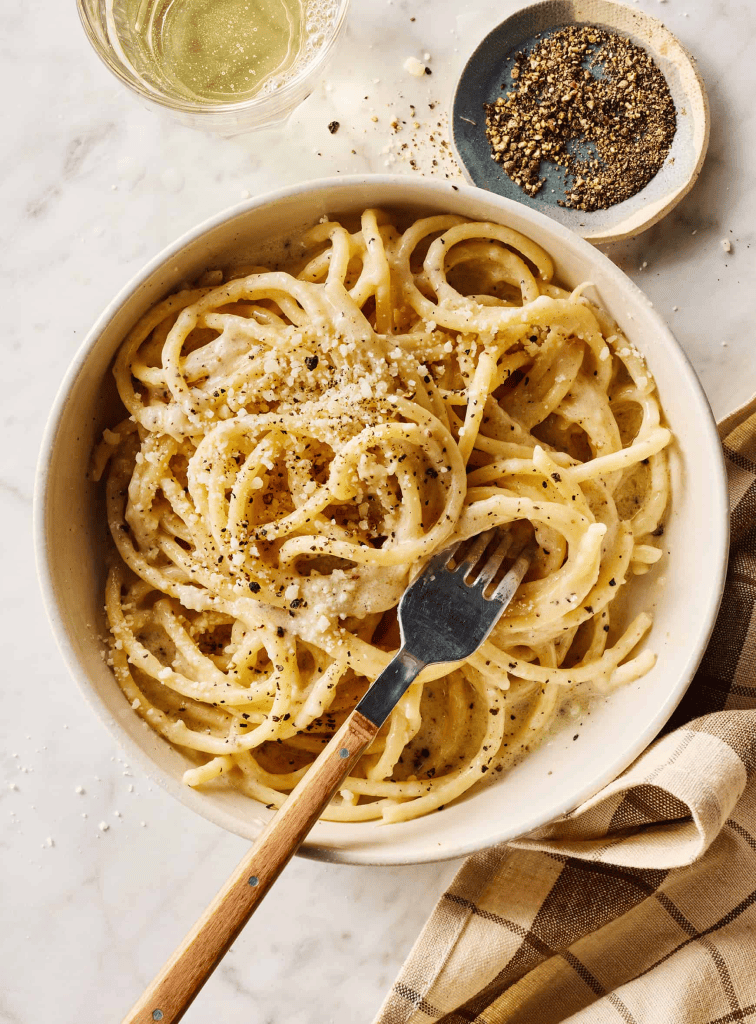
Cacio e Pepe is even simpler than carbonara. Its name translates roughly to “cheese and pepper,” reflecting its two defining ingredients: Pecorino Romano and black pepper. Combined with pasta water, the grated cheese forms a smooth, creamy sauce that coats the pasta. Despite its short ingredient list, achieving the right consistency requires technique.
The dish is a celebration of Pecorino Romano’s sharp, salty character and the warmth of freshly cracked pepper.
It perfectly represents the essence of authentic Roman dishes.
Amatriciana
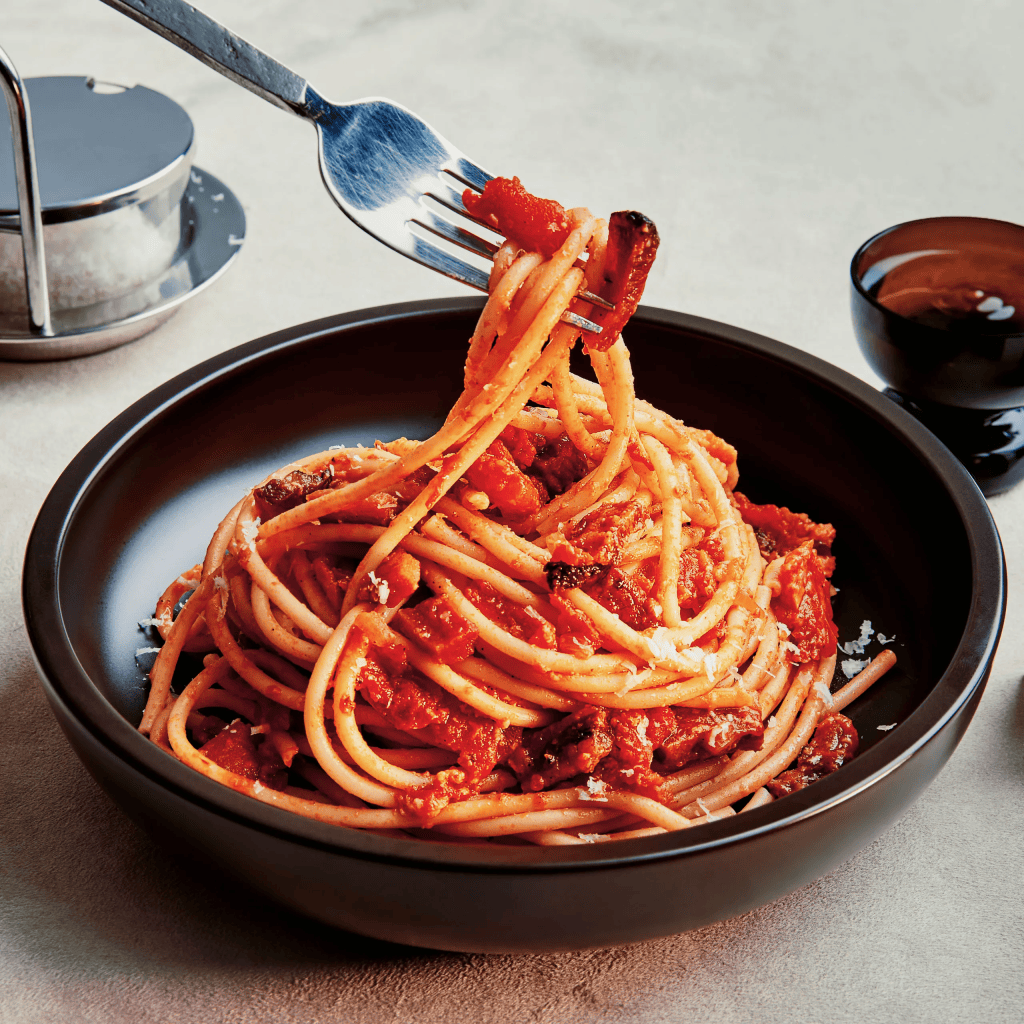
Amatriciana offers a slightly bolder flavor. It is traditionally prepared with guanciale, Pecorino Romano, tomatoes, and chili, creating a sauce that is simultaneously savory, tangy, spicy, and rich.
The dish originates from Amatrice, a town in the Lazio region, but it has become an essential part of Roman food culture. It is commonly served with bucatini, whose thick, hollow shape holds the flavorful tomato sauce particularly well.
A staple in any Rome food guide.
Roman Main Dishes
Beyond pasta, there are many hearty options when exploring best food in Rome.
Roman cuisine is known for its hearty, flavorful dishes that reflect the traditions and history of the city. While pasta is an important part of Roman food culture, the city is also famous for its rich selection of meat dishes. Saltimbocca alla Romana, Coda alla Vaccinara, and Abbacchio are three classic examples, each showcasing different ingredients and cooking techniques.
Saltimbocca alla Romana
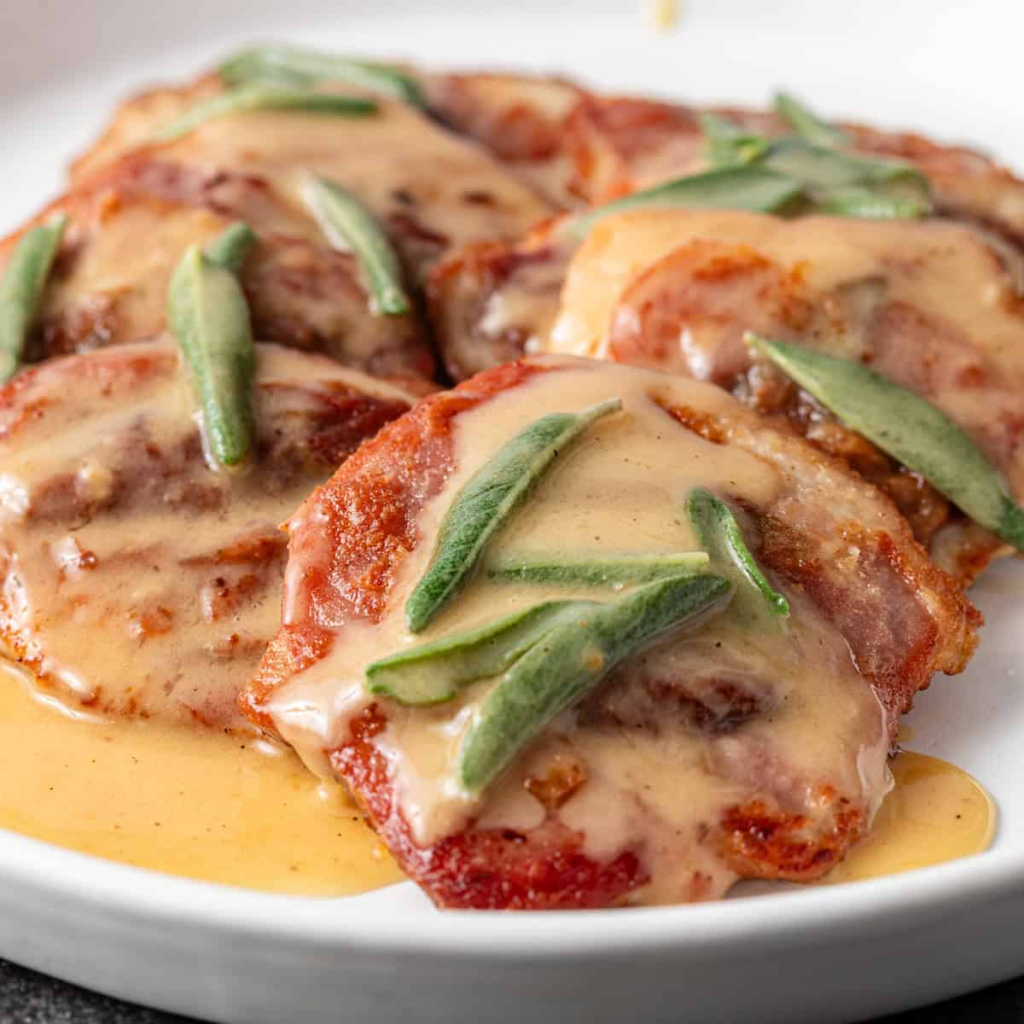
Saltimbocca alla Romana is one of Rome’s best-known meat dishes. The name means “jumps in the mouth,” a reference to how tempting the dish is.
Traditionally, it is made with thin slices of veal topped with prosciutto and fresh sage. The meat is lightly cooked in butter and white wine, creating a delicate sauce that complements the salty prosciutto and aromatic sage.
Tender, flavorful, and relatively simple to prepare, Saltimbocca is a classic example of Roman cooking at its most elegant.
Coda alla Vaccinara
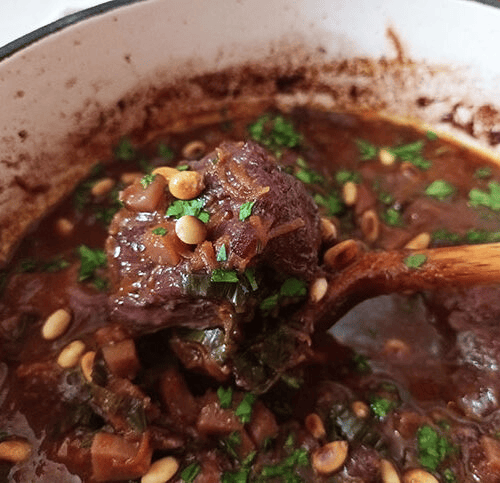
Coda alla Vaccinara is a much more rustic dish. It consists of oxtail that is slowly braised until the meat becomes exceptionally tender.
The dish is traditionally cooked with tomatoes, celery, carrots, onions, wine, and herbs, creating a rich and deeply flavored sauce. Coda alla Vaccinara has its roots in Rome’s historic slaughterhouse district of Testaccio, where offal and less expensive cuts of meat were traditionally transformed into satisfying meals.
The long cooking process gives the dish its characteristic richness and makes it a symbol of Rome’s cucina povera, or “poor cuisine.”
Abbacchio (Roman Lamb)
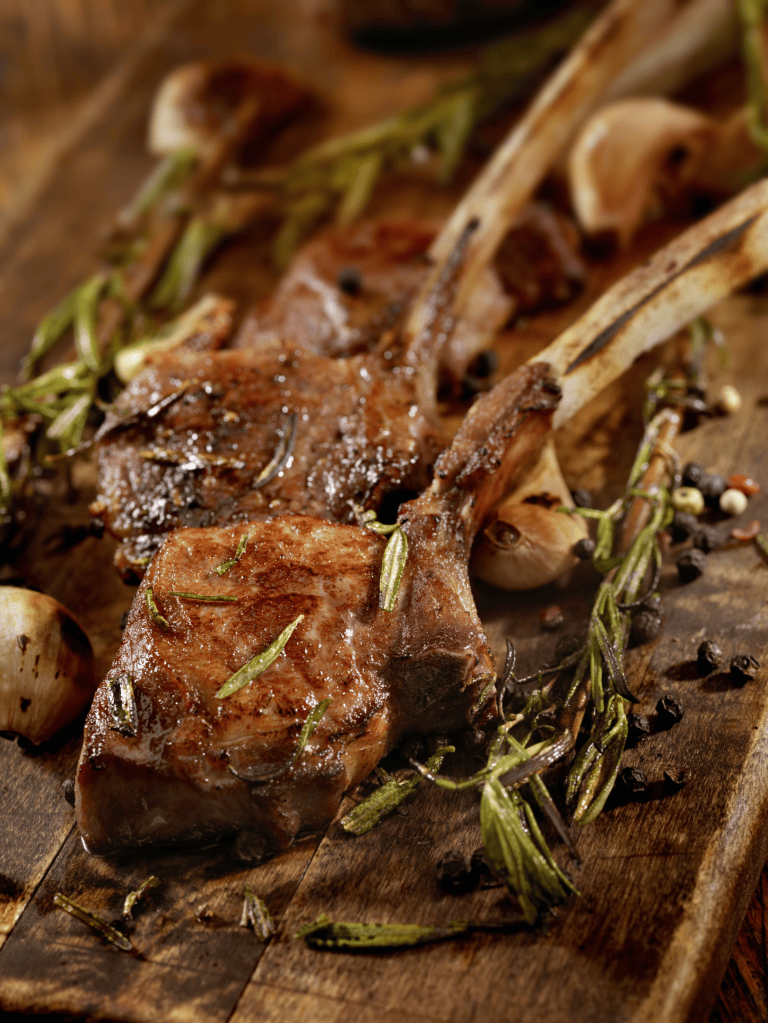
Abbacchio, or Roman-style lamb, is another important part of traditional Roman cuisine. Young lamb is especially associated with Roman celebrations and holidays, particularly Easter.
It can be prepared in several ways, including roasted with garlic, rosemary, and olive oil, or cooked alla cacciatora with herbs and other aromatic ingredients. The meat has a delicate flavor, while the herbs and garlic add a distinctly Mediterranean character.
A favorite during holidays and a must-try if you’re exploring authentic Roman dishes.
Roman Street Food
If you’re on the go and wondering what to eat in Rome, street food is the answer.
Roman street food is a delicious way to experience the city’s lively food culture. It is generally simple, affordable, and designed to be enjoyed on the go.
Among the most popular Roman street foods are Supplì, Pizza al Taglio, and Trapizzino. Each one offers a different taste of Rome and reflects the city’s love of comforting, flavorful food.
Supplì
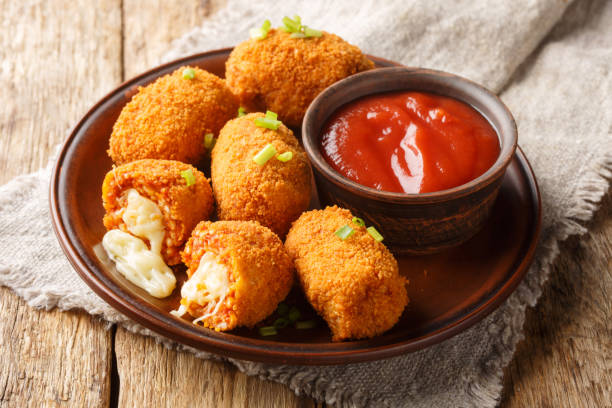
Supplì is one of Rome’s most iconic street foods. It is a deep-fried rice croquette traditionally made with risotto-style rice, tomato sauce, and mozzarella.
The rice mixture is shaped into an oval, coated in breadcrumbs, and fried until golden and crisp. When you bite into a freshly made supplì, the melted mozzarella stretches inside, giving rise to its famous nickname, supplì al telefono, or “supplì on the telephone.”
It is commonly enjoyed as a snack or as an appetizer before pizza and a highlight of Roman street food.
Pizza al Taglio
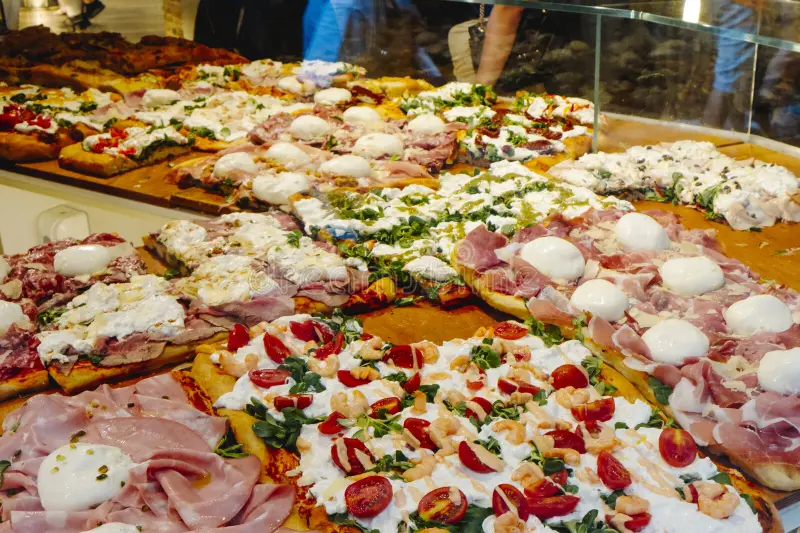
Pizza al Taglio, meaning “pizza by the slice,” is another essential part of Roman street food culture. Unlike the round pizzas served in restaurants, Roman pizza al taglio is baked in large rectangular trays and cut into pieces according to the customer’s choice.
The dough is typically light and airy on the inside with a crisp, golden base. There are countless toppings, from classic tomato and mozzarella to vegetables, cured meats, and seasonal ingredients.
It is a quick, convenient, and satisfying way to enjoy pizza while exploring the city.
This is one of the most popular forms of Roman street food.
Trapizzino
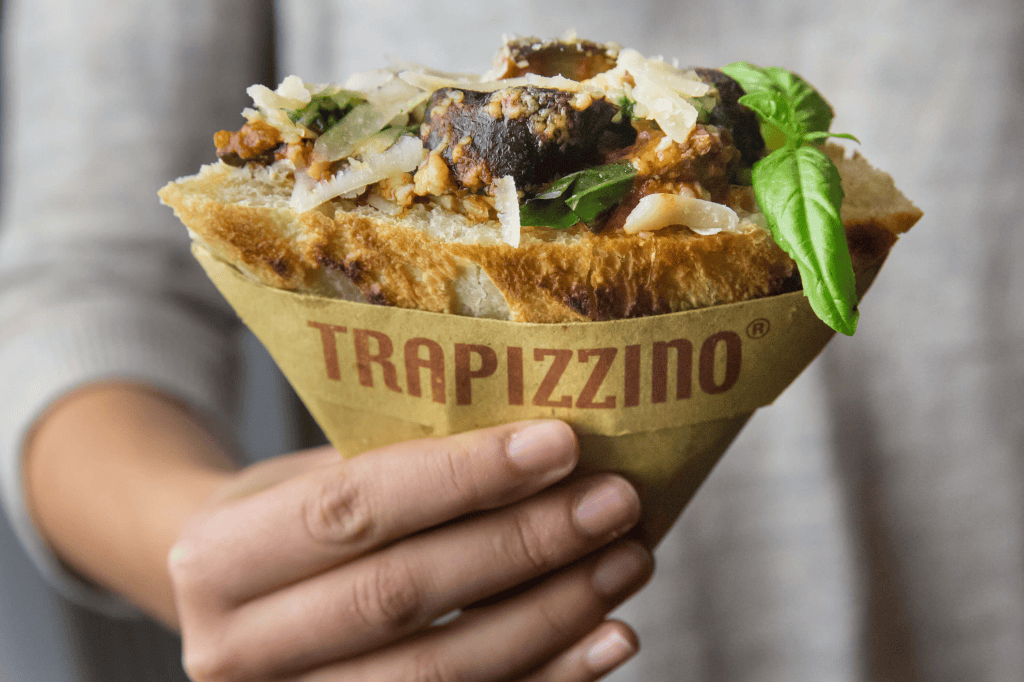
Trapizzino is a more modern addition to Rome’s street food scene. Created in Rome in the early 2000s, it combines the shape of a triangular sandwich with the soft, airy dough of Roman pizza bianca. A modern twist combining pizza and sandwiches, often featured in updated Rome food guide content.
The pocket is filled with traditional Italian dishes such as chicken cacciatore, meatballs in tomato sauce, or eggplant parmigiana.
Trapizzino brings classic Roman and Italian flavors into a portable format, making it a popular choice for a quick and hearty meal.
Best Desserts in Traditional Roman Cuisine
No experience of traditional food in Rome is complete without dessert. Roman cuisine is best known for its pasta and savory dishes, but the city also has a wonderful tradition of sweet treats.
Among the most popular desserts are Maritozzo and Tiramisu, two indulgent favorites that are enjoyed by locals and visitors alike. While they have different origins and flavors, both desserts reflect Italy’s love of simple ingredients transformed into something delicious.
Maritozzo

Maritozzo is a traditional Roman sweet bun that has been enjoyed in the city for centuries. The soft, slightly sweet brioche-like bun is typically sliced open and generously filled with whipped cream. Its light texture and rich filling make it a popular choice for breakfast or an afternoon treat, often accompanied by a coffee.
Maritozzi are particularly recognizable for their generous portion of cream, which often extends beyond the edges of the bun.
Today, bakeries and cafés may offer different variations, but the classic combination of soft sweet bread and fresh whipped cream remains a Roman favorite.
Tiramisu
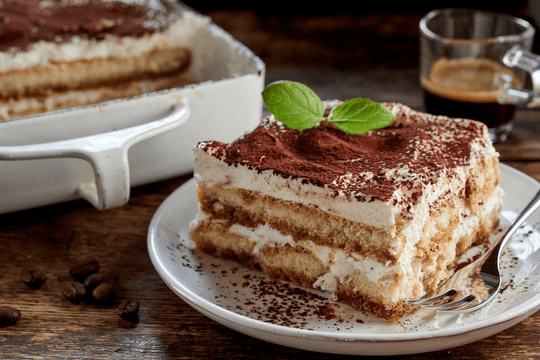
Tiramisu is one of Italy’s most famous desserts and is beloved far beyond Rome. It is made with layers of coffee-soaked ladyfingers and a creamy mixture traditionally containing mascarpone, eggs, and sugar, finished with a dusting of cocoa powder. The combination of strong coffee, creamy mascarpone, and cocoa creates a rich yet balanced dessert.
Although Tiramisu is not exclusively Roman and its exact origins are associated with other parts of Italy, it has become a familiar and much-loved dessert on menus throughout Rome.
Where to Eat Traditional Food in Rome
Finding authentic spots is key to enjoying traditional food in Rome.
Rome is a city where food is deeply connected to history, tradition, and everyday life. From family-run trattorias to lively neighborhood restaurants, there are many places to discover authentic Roman cuisine.
Three neighborhoods stand out in particular: Trastevere, Testaccio, and Monti. Each has its own character and offers a different way to experience the traditional flavors of Rome.
Trastevere
Trastevere is one of Rome’s most famous neighborhoods and a popular destination for anyone looking to enjoy traditional Italian food. A hotspot for local trattorias and authentic Roman dishes.
Its narrow cobblestone streets, historic buildings, and lively atmosphere create the perfect setting for a meal. The neighborhood is home to many trattorias and restaurants serving Roman classics such as Carbonara, Cacio e Pepe, Amatriciana, and Saltimbocca alla Romana.
Dining in Trastevere is especially enjoyable in the evening, when the streets become lively with locals and visitors.
Testaccio
Testaccio is often considered one of the best neighborhoods for experiencing authentic Roman cuisine and essential in any Rome food guide.
The area has strong connections to Rome’s working-class and culinary history, particularly because of its former slaughterhouse and market. This heritage influenced the development of dishes made with inexpensive cuts of meat and offal. Visitors can find specialties such as Coda alla Vaccinara, as well as traditional pasta dishes and Roman street food.
Testaccio’s food scene tends to feel more local and less focused on tourism, making it an excellent place to explore the hearty side of Roman cooking.
Monti
Monti offers a different atmosphere, combining historic Roman charm with a modern and creative food scene. A mix of traditional and modern restaurants offering some of the best food in Rome.
Located close to the Colosseum, this lively neighborhood is filled with small restaurants, trattorias, cafés, and wine bars. Traditional Roman dishes are widely available, often alongside contemporary interpretations of Italian cuisine.
Monti is also a great place to enjoy a relaxed meal after exploring the ancient sites nearby.
Tips for Eating Like a Local in Rome
Eating in Rome is about more than simply trying famous Italian dishes. Food is an important part of everyday life, and following a few local habits can make your dining experience more authentic. From choosing traditional dishes to understanding when and how to eat them, these simple tips can help you enjoy Rome like a local.
Start with traditional Roman dishes. When visiting Rome, make sure to try classics such as Carbonara, Cacio e Pepe, and Amatriciana. For something different, look for Roman specialties such as Saltimbocca alla Romana, Coda alla Vaccinara, or Abbacchio. These dishes offer a taste of the city’s culinary history and are often found in traditional trattorias.
Eat according to the local schedule. Romans generally eat lunch later than many visitors might expect, often around 1:00–2:00 p.m., while dinner commonly begins from around 7:30 p.m. or later. Avoid rushing your meal and take the opportunity to enjoy the relaxed pace of Roman dining.
Try local street food. You do not always need to sit down for a long meal to experience Roman cuisine. Pick up a piece of Pizza al Taglio, a crispy Supplì, or a Trapizzino for a quick and satisfying snack. These foods are particularly convenient when exploring the city on foot.
Choose neighborhood restaurants. Areas such as Trastevere, Testaccio, and Monti offer plenty of opportunities to experience Roman food. Look beyond the busiest tourist streets and consider smaller trattorias, bakeries, and markets where local residents also eat.
Do not be afraid to keep it simple. Roman cuisine is based on a relatively small number of high-quality ingredients. A simple plate of Cacio e Pepe or a fresh Maritozzo can be just as memorable as a complicated meal. Quality, tradition, and good preparation are at the heart of Roman cooking.
Finish with coffee or dessert. After a meal, enjoy a small espresso or treat yourself to a traditional dessert such as Maritozzo or Tiramisu. Remember that Italian coffee culture is often quick and casual, particularly when enjoyed standing at the bar.
Most importantly, take your time and enjoy the experience. Eating like a local in Rome means appreciating simple food, sharing meals, exploring different neighborhoods, and allowing yourself to discover the city one dish at a time.
To fully enjoy traditional food in Rome, follow these tips:
- Avoid tourist traps near major landmarks
- Look for menus in Italian
- Eat where locals eat
- Try seasonal dishes
These tips will help you better understand what to eat in Romeand where to find it.
Final Thoughts on Traditional Food in Rome
Exploring traditional food in Romeis one of the best ways to experience the culture of the city. From pasta to street food, every dish reflects Rome’s rich history and love for simple, flavorful cooking.
Whether you’re searching for best food in Rome or building your own Rome food guide, this culinary journey will be unforgettable.


