
Rome is one of the world’s most enchanting destinations, with its ancient ruins, world-class gelato, and vibrant piazzas drawing millions of visitors each year. But amid the Eternal City’s timeless beauty lurks a less glamourous reality: scams to avoid in Rome that target unsuspecting tourists.
Table of Contents
- Introduction
- The Bracelet Scam
- The Rose Scam
- Pickpockets
- Taxi Scam
- Colosseum Ticket Scam
- Fake Petition Scam
- Gelato Scam
- Fake Tour Guide Scam
- Golden Ring Scam
- Travel Safety Tips
- FAQ
- Final Thoughts
Introduction
From the aggressive bracelet scam operators near the Colosseum to sophisticated pickpockets working the crowded Bus 64 route, these tactics are as old as the city itself – and still thriving in 2026.
Whether you’re planning your first trip or a repeat visit, knowing the most common scams in Rome for tourists can save you money, stress, and ruined memories. This comprehensive guide covers every major scam you need to watch out for, including the rose scam, Colosseum ticket scam, taxi scams, fake petition scam, gelato scam, and more. We’ll break down exactly how each works, where they happen most (Spanish Steps, Trevi Fountain, Termini station, Piazza Navona, and beyond), and – most importantly – proven strategies to avoid them entirely.
By the end of this guide, you’ll have Rome travel safety tips that tourn you from and easy target into a savvy traveler. Let’s dive in so you can focus on enjoying la dolce vita instead of dodging hustlers.
The Bracelet Scam in Rome (Friendship Bracelet Scam or African Bracelet Scam)

One of the most persistent and annoying scams to avoid in Rome is the infamous bracelet scam, also known as the friendship bracelet scam or African bracelet scam. It remains rampant in 2026, especially around the Colosseum, Spanish Steps, Piazza Navona, and Trev Fountain.
Here’s how it works:
A friendly-looking vendor (often from West Africa) approaches you with a big smile, compliments your shoes or ask where you’re from (“America? Land of the Free!”). Before you know it, they’ve tied a cheap string bracelet around your wrist or pressed it into your hand. Then the tone shifts – they demand €10-€20 “for the bracelet” or “a donation”. If you refuse, they may block your path, shout, or even follow you aggressively.
This isn’t a gift – it’s a classic pressure tactic playing on guilt and surprise. Victims often pay just to escape the awkwardness. Reports from travelers in early 2026 confirm the scam is unchanged and still hints families and couples hardest.
How to avoid the bracelet scam in Rome:
- Never stop or make eye contact with street vendors offering “free” items
- Firmly say “No, grazie” and keep walking – do not engage
- If one gets on your wrist, calmly remove it, place it on the ground, and continue moving
- Walk towards police or Carabinieri (they wear blue uniforms with white belts) if the situation escalates
Pro tip: Wear your backpack on your front in crowded areas and keep valuables zipped inside.
The Rose Scam in Rome (Flower Scam or Free Rose Scam)

Closely related to the bracelet scam is the rose scam in Rome, sometimes called the flower scam or free rose scam. You’ll encounter it most frequently near the Trevi Fountain, Spanish Steps, and Colosseum – especially in the evenings when the atmosphere feels romantic.
A man (or sometimes a group) approaches couples or women with a single rose, saying “For the beautiful lady – it’s free!”.
Once you accept or even touch it, they demand for money begins – €5 to €20. Refuse, and they may become pushy or accusatory.
Some versions involve children or teams where one distracts while another pickpockets.
This scam preys on politeness and romance. In 2026, it’s still listed among the top street hustlers in every major Rome travel forum and recent YouTube exposés.
Avoidance strategy for the rose scam in Rome:
- Politely decline before they hand anything over: “No, thank you”
- If handed a rose anyway, set it down gently and walk away – no explanation needed
- Bever feel obligated; it’s never truly free
Pickpockets in Rome: Bus 64, Termini Station, and Crowded Hotspots

Pickpockets in Rome remain the most common threat for tourists, often working in organized groups. High-risk zones include the notorious Bus 64 (nicknamed the “Pickpocket Express” to the Vatican), Termini Station, metro lines, Trevi Fountain, Colosseum queues, and Piazza Navona.
Teams use classic distraction techniques: one bumbs into you while another one steals from your pocket or bag. Children or women sometimes act as decoys. Recent 2025-2026 reports show pickpocketing mentions in Rome reviews remain high, especially around major monuments.
How to beat pickpockets in Rome
- Use a cross-body anti-theft bag or money belt under clothes
- Keep phones in front of zip pockets; never in back pockets or loose bags
- On buses or metro, stand near doors and hold bags in front
- Avoid wearing headphones or staring at maps in crowds – stay alert
- Consider a RFID-blocking wallet for cards
Real talk: Most victims lose cash, phones, or passports. File a police report immediately (denucia) for insurance claims, and have digital copies of documents in your email.
Taxi Scams in Rome: Airport Rip-Offs and City Overcharges
Taxi Scams in Rome are specially frustrating at Fiumicino (FCO) and Ciampino airports and in the historic center. Common tactics include:
- Drivers ignoring the meter and quoting inflated “fixed” prices (€100+ for a standard ride)
- Taking the long route or claiming the meter is “broken”
- Unauthorized “taxi” solicitors inside terminals pulling you from the official ranks
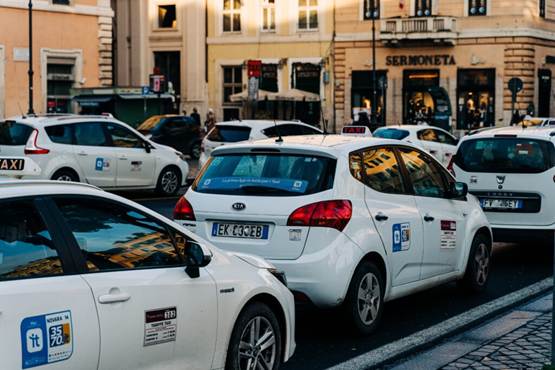
Official white taxis with meters and city licenses are required. Airport fixed rates exists (around €50-€60 to center), but only from the official queue.
How to avoid taxi scams in Rome
- Always use the official taxi rank outside arrivals – ignore anyone approaching you inside
- Insist on the meter; for airport trips, confirm the fixed rate upfront
- Use ride-hailing apps like Uber och ItTaxi (pfficial app) when possible
- Have Google Maps open to track the rout
Colosseum Ticket Scam (Fake Tickets, Skip-the-Line Scams, and Unauthorized Sellers)
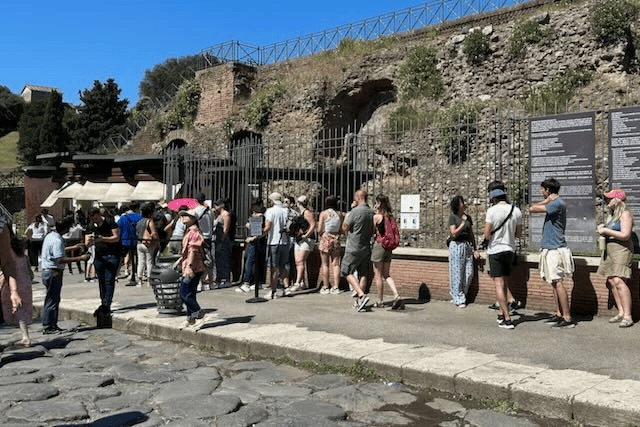
The Colosseum ticket scam (and similar Vatican Museums scams) is one of the most damaging scams to avoid in Rome. Street sellers near the sites offer “ship-the-line” tickets or guided tours at inflated prices. Many are fake, expired, or for the wrong time slot, leaving you stick outside after paying €50-€100+.
In 2025, Italian authorities fined multiple companies millions for bot-scalping and price-fixing Colosseum tickets. The problem persists into 2026.
Safe ticket strategy
- Buy exclusively from official websites (coopculture.it) for Colosseum/Forum/Palatine; museivatican.va for Vatican)
- Book weeks in advance – same-day options are limited
- Ignore all street “official” sellers, no matter how convincing their badges look
- Never buy from third-party resellers on-site
Fake Petition Scam in Rome (Clipboard Scam or Charity Petition Scam)
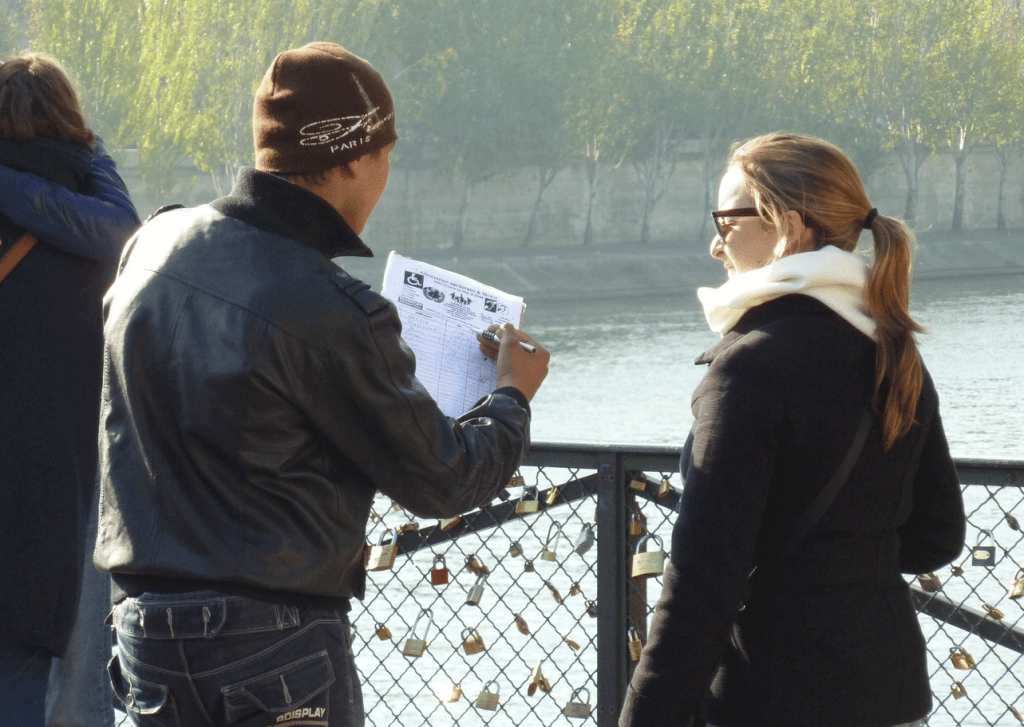
The fake petition scam in Rome involves someone with a clipboard asking you to “sign a petition for deaf children/environment” near major sites. While you’re distracted signing or chatting, their partner pickpockets you. Or they later demand a “donation”.
Avoidance: Say “No” and keep walking. Never stop for clipboard-wielding strangers.
Gelato Scam in Rome and Tourist Trap Restaurants

The gelato scam in Rome isn’t always outright theft – it’s tourists traps serving tiny scoops in massive cones for €10+ or using low-quality ingredients. Menus near Colosseum/Trevi often have two prices (higher for tourists) or hidden cover charges (coperto) and services fees.
How to spot and avoid gelato scam in Rome
- Choose gelaterias with metal tins (not piled-high colorful mounds)
- Look for lines of locals, not just tourists
- Check menus for coperto before sitting
- Eat at least 2-3 blocks away from major monuments
Fake Tour Guides in Rome and Gladiator Photo Scam
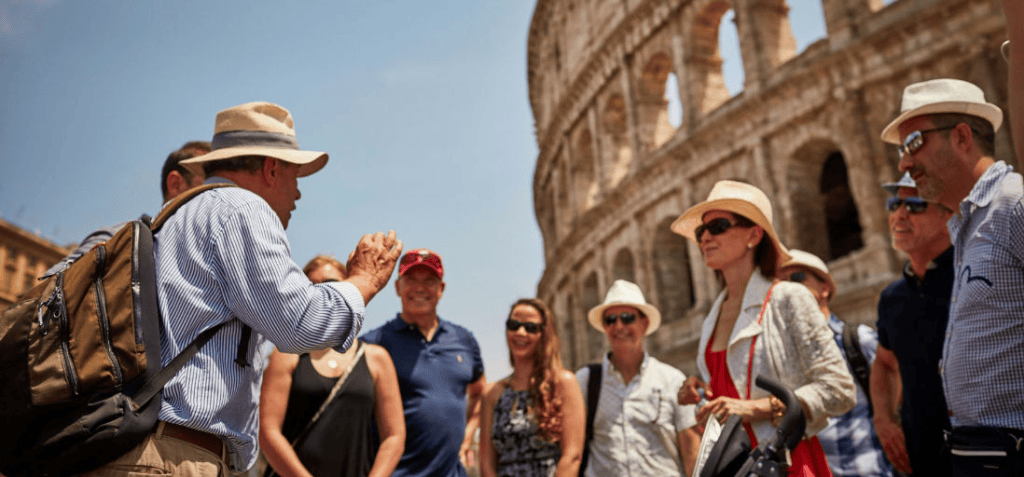
Fake tour guides in Rome approach offering “private tours” or gladiator photos at the Colosseum. Photos with costumed “gladiators” often end with aggressive €20-€50 demands. Unauthorized guides lack licenses and may abandon you.
Stick to licensed operators or self-guided audio tours from official apps.
Golden Ring Scam in Rome (Found Ring Scam) and Other Nuisances
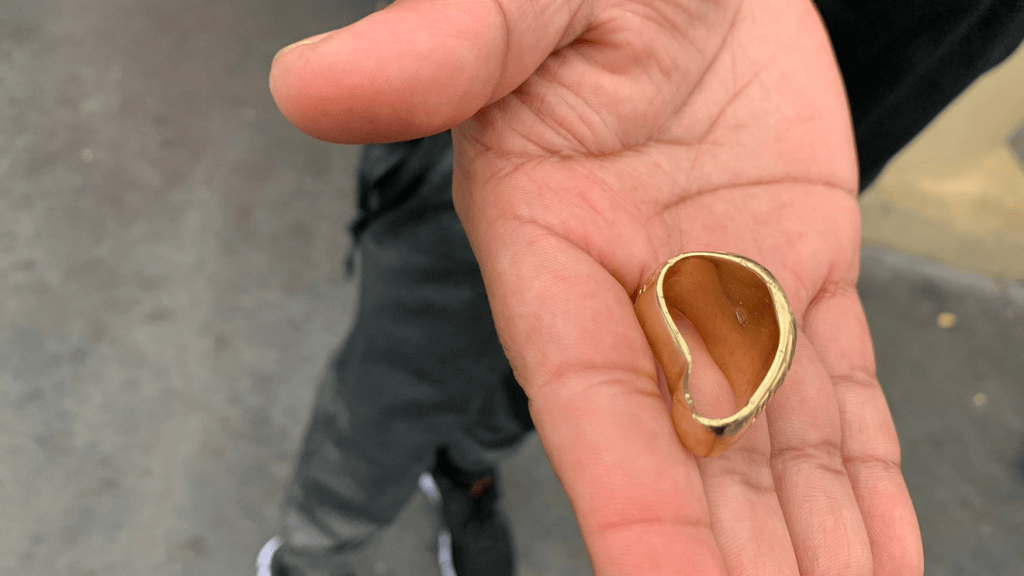
The gold ring scam in Rome (or “found ring” scam) involves someone “finding” a ring near you, claiming it’s yours, then demanding money when you accept it. Less common but still reported.
Other mentions in 2026 traveler reports:
- Three cup games scam (shell game) on streets – never play
- Out of gas scam (lost driver asking for petrol money – rare now)
- Fake police scam (rare but involves fake officers asking to see your wallet)
Rome Travel Safety Tips 2026: How to Avoid Scams in Rome, Italy
Master these habits and you’ll sidestep 95% of the scams to avoid in Rome:
- Adopt the “No, grazie” policy – say it early and often
- Use a money belt or hidden pouch for passports/cash
- Download offline maps and translation apps
- Travel in small groups when possible
- Keep emergency numbers: 112 (European emergency), local police
- Buy travel insurance that covers theft
- Stay vigilant buy enjoy – Rome is safe for aware travelers
Location-specific warnings
- Scams near Spanish Steps in Rome and scams at Trevi Fountain: Bracelets, roses, petitions
- Vatican Museums tick scam: Same as Colosseum – official tickets only
- Termini station pickpockets: Extra caution with luggage
- Piazza Navona scams: Bracelet central
FAQ – Scams to Avoid in Rome
Is Rome safe for tourists in 2026?
Yes, Rome is generally safe for visitors, making it one of Europe’s most popular destinations. However, understanding common scams to avoid in Rome is essential to ensure a smooth and stress-free trip.
What are the most common scams to avoid in Rome?
The most frequent issues include pickpocketing, fake petitions, and street scams. These common scams in Rome often happen in crowded tourist areas, so staying alert is key.
How can I avoid pickpocketing scams in Rome?
Pickpocketing is one of the top Rome tourist scams. Keep your valuables in anti-theft bags, avoid back pockets, and be extra cautious on public transport and near major attractions.
Are taxis in Rome safe or should I be cautious?
Official taxis are safe, but overcharging can happen. To avoid taxi scams in Rome, always use licensed taxis, ensure the meter is running, or agree on a fixed price in advance.
What is the “friendship bracelet” scam in Rome?
This is a well-known Rome street scam where someone offers a “free” bracelet and then demands payment. The best way to avoid it is to firmly say no and keep walking.
Are there restaurant scams in Rome tourists should know about?
While most places are honest, some tourist-focused restaurants may include hidden fees. To avoid restaurant scams in Rome, always check the menu, prices, and “coperto” charges beforehand.
Is it safe to use ATMs in Rome?
Yes, but choose ATMs inside banks to reduce risk. Avoid machines in busy tourist areas, as they may involve higher fees or potential Rome travel scams like card skimming.
What is the fake petition scam in Rome?
This scam involves someone asking you to sign a petition while distracting you. It’s a common tactic used in scams to avoid in Rome, so it’s best to ignore and walk away.
Should tourists accept help from strangers in Rome?
Be cautious. Some scammers offer help at ticket machines or with directions, then ask for money. To avoid Rome tourist scams, rely on official staff when possible.
What are the best tips to avoid scams in Rome?
To stay safe, remain aware, avoid unsolicited offers, secure your belongings, and trust your instincts. Following these simple steps will help you avoid the most common scams in Rome for tourists.
Finaly Thoughts: Enjoy Rome Without the Stress
Scams to avoid in Rome are real, but they’re entirely avoidable with the right knowledge. By steering clear of the bracelet scam, rose scam, pickpockets, taxi scams, Colosseum ticket scam, fake petition scam, gelato scam, and the rest, you’ll experience the authentic magic of the Eternal City.
Pack light, stay alert, trust your instincts, and remember: a polite but firm “No” is your superpower. Rome rewards the prepared traveler with unforgettable sunsets over the Forum, perfect cacio e pepe, and memories that last a lifetime.
Safe travels – and Buon viaggio! If you have specific questions about your itinerary, drop them in the comments. This guide is updated for 2026 based on the latest traveler reports and official warnings.


